
How to Prepare Your Body for a Smooth Plastic Surgery Recovery

< Blog < How to Prepare Your Body for a Smooth Plastic Surgery Recovery
Undergoing plastic surgery is an exciting step toward achieving your functional and aesthetic goals, whether it’s a rhinoplasty, breast augmentation, tummy tuck, or another procedure. While the surgery itself is transformative, the real key to stunning, long-lasting results lies in plastic surgery recovery. Proper preparation before your procedure, often called “prehab”, can significantly speed up healing, reduce complications and make the entire experience more comfortable.
At Adnova Clinic in Fareham, the team emphasises patient education and personalised care to ensure optimal outcomes. Searches for “plastic surgery recovery,” “plastic surgery recovery tips,” and “how to prepare for plastic surgery” are incredibly popular, as patients want to know how to support their body’s natural healing process. This guide breaks down actionable steps to prepare your body, drawing from expert recommendations and Adnova Clinic’s approach to procedures like rhinoplasty. By focusing on nutrition, lifestyle changes, exercise and logistics, you’ll set yourself up for a smoother, faster recovery.
Why Preparation Matters: The Science Behind Prehab
Your body undergoes significant stress during any surgery; tissue manipulation, incisions and anaesthesia all trigger an inflammatory response. Prehab optimises your physiological state to enhance circulation, boost immunity and promote tissue repair. Studies and plastic surgeons agree that patients who prepare in advance experience less swelling, bruising and discomfort, with quicker returns to daily activities.
Key benefits include reduced risk of complications like infection or poor wound healing, minimised downtime and better results. For instance, quitting smoking weeks ahead dramatically improves oxygen delivery to tissues, crucial for healing. At Adnova Clinic, following pre-and post-op guidelines helps patients achieve natural, refreshed appearances with minimal setbacks.
Step 1: Optimise Your Nutrition for Healing
Nutrition is one of the most powerful tools for plastic surgery recovery. Your body needs extra resources to repair tissues, fight inflammation, and rebuild collagen.
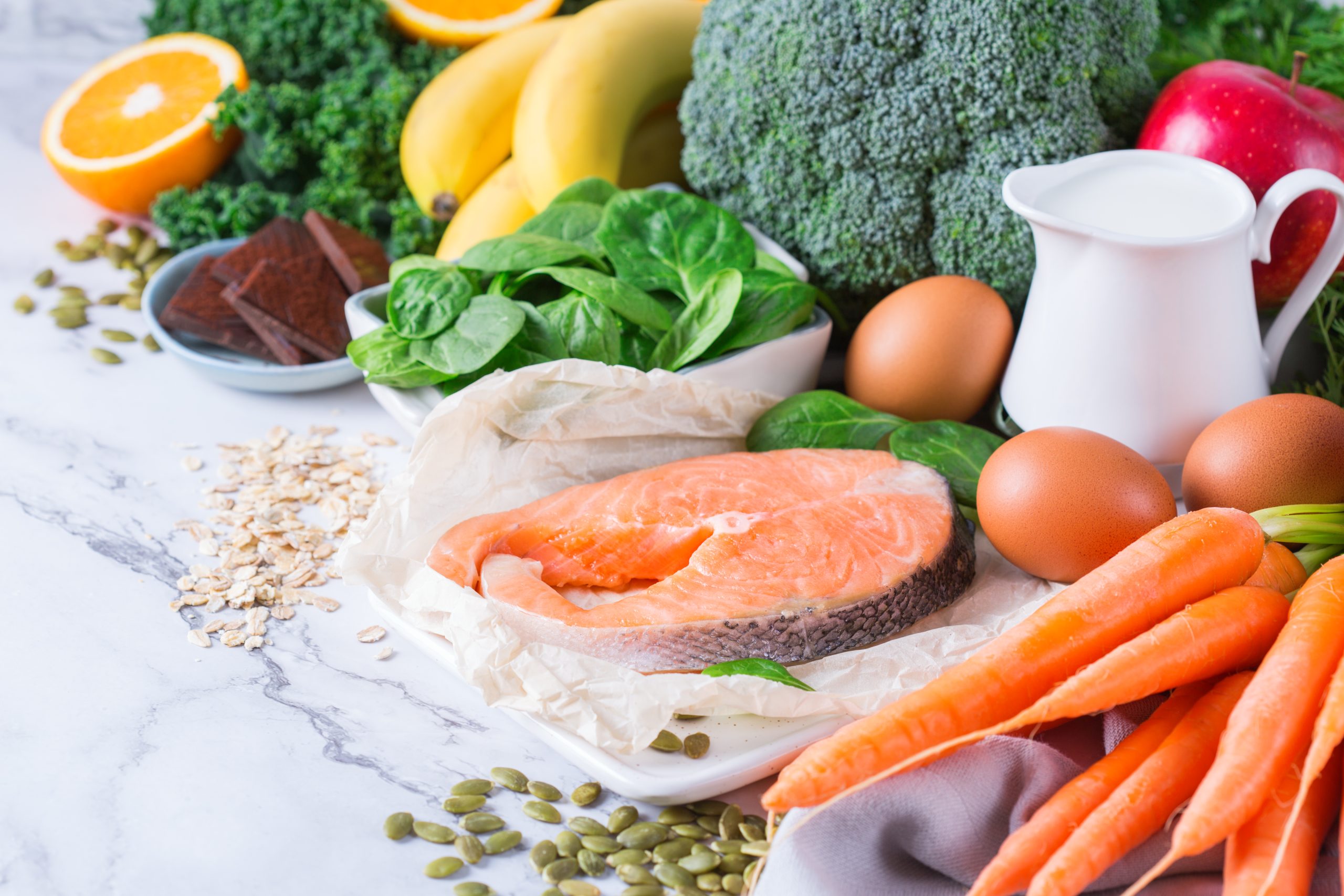
- Increase Protein Intake: Protein supports muscle repair and wound healing. Aim for lean sources like chicken, fish, eggs, beans and Greek yoghurt. Target 1.2-2.0 grams per kilogram of body weight daily in the weeks leading up to surgery.
- Load Up on Vitamins and Minerals: Vitamins A, C, and zinc are essential for collagen production and immune function. Eat plenty of fruits (oranges, berries), vegetables (spinach, broccoli) and nuts. Consider a surgeon-approved multivitamin if needed.
- Stay Hydrated: Dehydration slows healing. Drink at least 8-10 glasses of water daily before and after surgery to flush toxins and keep skin elastic.
- Avoid Inflammatory Foods: Cut back on processed foods, excessive sugar, and alcohol, which can increase swelling.
Start these habits 4-6 weeks before your procedure. At Adnova Clinic, patients are advised to maintain hydration and healthy eating post-surgery to support skin recovery.
Step 2: Quit Smoking and Limit Alcohol
Smoking is one of the biggest enemies of plastic surgery recovery. Nicotine constricts blood vessels, reducing oxygen to healing tissues and increasing risks of poor scarring, infection and delayed healing.
Most surgeons, including those at Adnova Clinic, require patients to stop smoking at least 4 weeks before and after surgery, ideally longer or even permanent quitting. Alcohol thins blood and impairs liver function, so limit or eliminate it in the pre-op period.
Replacing these habits with healthier alternatives, like herbal teas or exercise, can make the transition easier and dramatically improve outcomes.

Step 3: Build Strength with Pre-Operative Exercise
Light to moderate exercise in the weeks before surgery strengthens your body and improves circulation, which aids recovery. Focus on low-impact activities that don’t strain the surgical area.
- Cardio: Walking, swimming, or cycling enhances blood flow and endurance.
- Strength Training: Core, upper and lower body exercises (e.g., squats, planks, light weights) build resilience. Aim for 3-4 sessions per week.
- Flexibility: Yoga or stretching improves mobility, making post-op movement easier.
Avoid intense workouts close to surgery day. Consult your surgeon for tailored advice; Adnova Clinic patients preparing for a procedure benefit from gentle facial and breathing exercises to support tissue health.
Step 4: Arrange Your Support System and Home Setup
Logistics play a huge role in a smooth recovery. Prepare your environment and support network in advance.
- Enlist Help: Arrange for a friend, family member, or caregiver for the first 48-72 hours (or longer for major procedures). They’ll assist with medications, meals and mobility.
- Stock Your Home: Create a comfortable recovery space with pillows for elevation, easy-access essentials (water, phone, remote) and entertainment (books, movies, tablet).
- Meal Prep: Prepare or freeze nutrient-rich meals high in protein and low in sodium. Smoothies, soups and pre-portioned dishes save energy when you’re resting.
- Gather Supplies: Compression garments (if prescribed), ice packs, loose clothing and prescribed medications should be ready.
For procedures at Adnova Clinic, patients are encouraged to set up a quiet area and plan for 1-2 weeks off work, with no strenuous activity for 4-6 weeks.

Step 5: Follow Pre-Operative Medical Instructions
Your surgeon’s guidelines are non-negotiable. Attend all pre-op appointments, disclose medications and health history and complete any required tests.
- Stop blood-thinning medications (aspirin, ibuprofen, certain supplements) as directed to minimise bruising and bleeding.
- Fill prescriptions early, including pain relief and antibiotics.
- Maintain a stable weight; significant fluctuations can affect results.
Adnova Clinic provides detailed instructions tailored to each patient, ensuring safety and readiness.
Understanding the Recovery Timeline: What to Expect
While preparation varies by procedure, general timelines help set expectations:
- Days 1-7: Early and active mobilisation is encouraged; manage swelling/bruising with cold compresses and elevation. Follow your surgeon’s instructions to stay as active as your body allows from day 1.
- Weeks 1-2: Sutures or splints are removed (if applicable); return to light work is possible for many.
- Weeks 3-6: Gradual increase in activity; avoid heavy lifting.
- Months 3-12: Full healing, with final results emerging.
Rhinoplasty recovery at Adnova Clinic typically allows a return to work in 1-2 weeks and exercise in 4-6 weeks, with swelling subsiding gradually.
Common Mistakes to Avoid During Preparation
- Ignoring advice to stop smoking delays healing significantly and may lead to the operation being cancelled.
- Overexerting pre-surgery can lead to fatigue on procedure day.
- Skipping nutrition weakens immune response.
- Poor home setup causes unnecessary stress.
By avoiding these, you’ll maximise your chances for a complication-free recovery.
Invest in Preparation for Exceptional Results
Preparing your body for plastic surgery recovery is an investment in yourself. By focusing on nutrition, quitting harmful habits, exercising smartly and organising support, you’ll promote faster healing and enjoy your enhanced appearance sooner. Recovery isn’t just downtime; it’s active healing that shapes your outcome.
If you’re ready to take the next step, contact Adnova Clinic for a consultation. Their expertise ensures you’re fully prepared for a smooth, successful transformation. Adnova Clinic prioritises patient-centred care, with expert surgeons delivering natural results in a supportive environment.
Disclaimer: The prices listed in this article are for general guidance only and may be subject to change. For the most up-to-date and accurate pricing, please visit our face pricelist, body pricelist and breast pricelist.